Loading anime…
Blue Literature Series
- Score
- 73%
- Episodes
- 12
- Runtime
- 22m
- Members
- 50.3K
Synopsis
The story
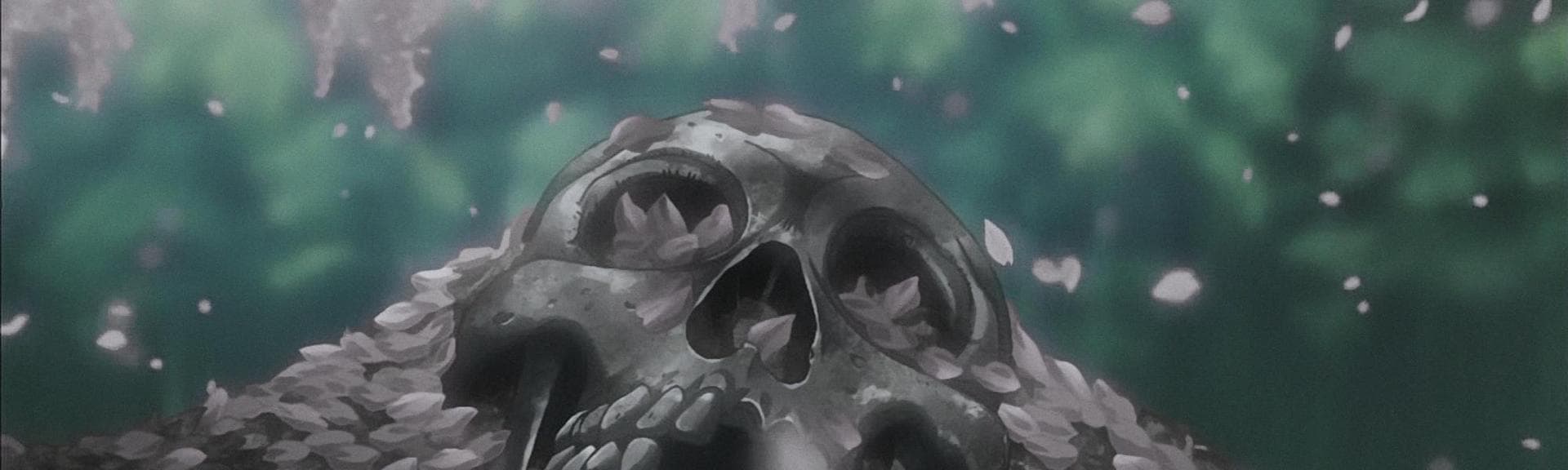
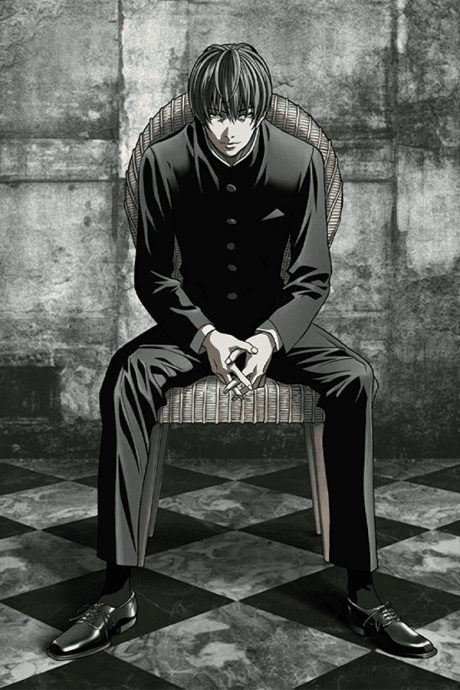
Anthology series adapting six modern classics of Japanese literature: No Longer Human (Ningen Shikkaku) by Dazai Osamu — A high school student becomes lost and alienated. Despondent and aimless, he falls into a cycle of self abuse, depression and drugs that taints his life for years. Told in three chapters, each chapter deals with a different point in his life and the final chapter leaves him standing alone — an empty and hollow caricature of his former self. In the Forest, Under Cherries in Full Bloom (Sakura no Mori no Mankai no Shita) by Sakaguchi Ango — A love story between a 12th-century woman and a mountain bandit who abducts her. Run, Melos! (Hashire, Melos!) by Dazai Osamu — An updated retelling of a classic Greek tale of the story of Damon and Pythias. Unwavering friendship is the most prominent theme of this retelling. Despite facing hardships, the protagonist Melos does his best to save his friend's life, and in the end his efforts are rewarded. Hell Screen (Jigoku Hen) by Akutagawa Ryuunosuke — A famous artist is commissioned by a great lord to create a series of paintings depicting scenes of the Buddhist Hell. The artist is unable to paint scenes that he has not seen himself, prompting him to torture and torment the Lord's staff to create his imagined images of hell. His creative efforts taint the household, as the story descends into madness and destruction. Kokoro by Natsume Souseki — A 1914 tale of a young man's life journey during the Meiji era. The work deals with the transition from the Japanese Meiji society to the modern era, by exploring the friendship between a young man and an older man he calls Sensei. It continues the theme of isolation developed in Souseki's previous works, here in the context of interwoven strands of egoism and guilt, as opposed to shame. The Spider's Thread (Kumo no Ito) by Akutagawa Ryuunosuke — The Buddha Shakyamuni chances to notice a cold-hearted criminal suffering in Hell. But this criminal did perform one single act of kindness in not stepping on a spider in a forest. Moved by this selfless act, Shakyamuni takes the silvery thread of a spider in Paradise and lowers it down into Hell, but it falls upon the criminal to seize the opportunity and pull himself out — if he can.
DramaPsychologicalRomanceThriller
Episode guide
12 episodes
Watch progress is saved in this browser.
01Episode 1Unwatched · Aired02Episode 2Unwatched · Aired03Episode 3Unwatched · Aired04Episode 4Unwatched · Aired05Episode 5Unwatched · Aired06Episode 6Unwatched · Aired07Episode 7Unwatched · Aired08Episode 8Unwatched · Aired09Episode 9Unwatched · Aired10Episode 10Unwatched · Aired11Episode 11Unwatched · Aired12Episode 12Unwatched · AiredCharacters & voices
500 credited
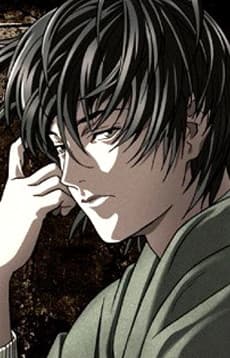
Youzou Ooba
Main

Tsuneko
Supporting


Shigemaru
Main
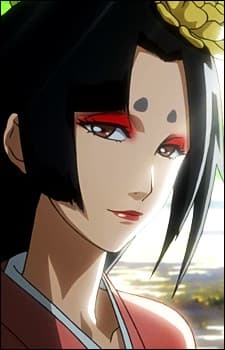
Akiko
Main

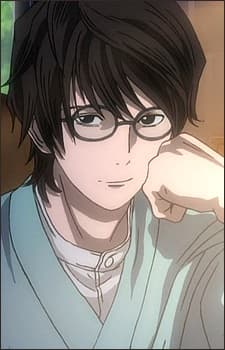
Sensei
Main

K
Main

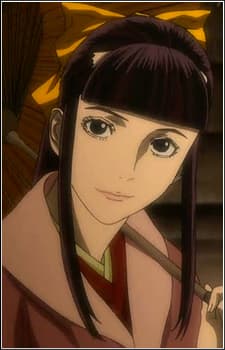
Ojousan
Supporting

Widow
Supporting


Takada
Main

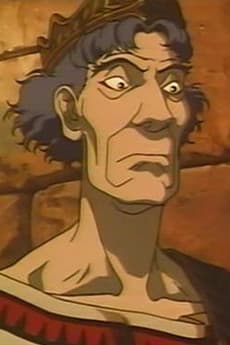
Dionysius II
Supporting

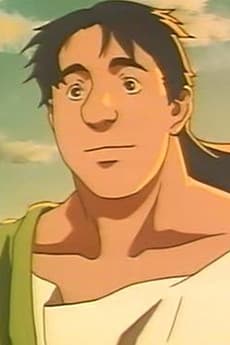
Melos
Supporting
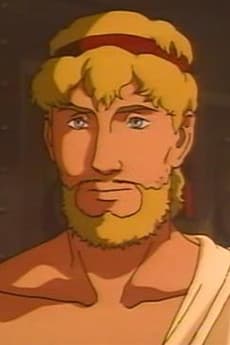
Serinentius
Supporting


Joshima
Supporting

Melos' Sister
Supporting


Kandata
Main


Yoshihide
Main

King
Supporting
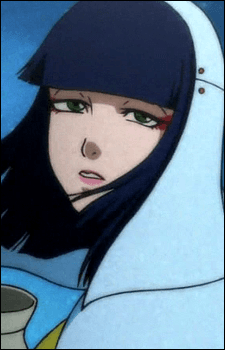
Mitsuki
Supporting

Production staff
500 credited
Nana MizukiInsert Song Performance Tite KuboOriginal Character Design (eps 5, 6, 11, 12)
 Takeshi ObataOriginal Character Design (eps 1-4, 7, 8)
 Takeshi KonomiOriginal Character Design (eps 9, 10)
 Tetsurou ArakiDirector (eps 5, 6)Tetsurou ArakiEpisode Director (ep 6)Tetsurou ArakiKey Animation (ep 6)Tetsurou ArakiStoryboard (eps 5, 6)
 Morio AsakaDirector (eps 1-4)Morio AsakaEpisode Director (ep 4)Morio AsakaStoryboard (eps 1-4)
 Hideki TaniuchiMusic (eps 1-8, 11, 12)Hideki TaniuchiTheme Song Composition (Insert Songs)
 Ryunosuke AkutagawaOriginal Creator (ep 11, 12)
 Osamu DazaiOriginal Creator (eps 1-4, 9, 10)
 Ryousuke NakamuraStoryboard (eps 9, 10)Ryousuke NakamuraEpisode Director (eps 9, 10)Ryousuke NakamuraDirector (eps 9, 10)
 Shinichi UeharaArt Director (ep 7, 8)
 Atsuko WatanabeIn-Between Animation (ep 10)
Themes & motifs
AniList community tags
Classic LiteratureTheme-Arts92%
PhilosophyTheme-Other88%
AnthologyTechnical86%
HistoricalSetting-Time84%
AutobiographicalTheme-Other73%
UrbanSetting-Scene70%
Primarily Adult CastCast-Main Cast67%
WarTheme-Other60%
GoreTheme-Other60%
DrawingTheme-Arts60%
Ojou-samaCast-Traits44%
PoliticsTheme-Other40%
RuralSetting-Scene40%
WritingTheme-Arts40%
PsychosexualTheme-Other40%
ReligionTheme-Other40%
Community pulse
50.3K members
Score spread
10
20
30
40
50
60
70
80
90
100
Watch status
Current2,109
Planning29,562
Completed14,569
Dropped1,872
Paused2,180
Related titles
Series map
More like this
AniList recommendations
Itou Junji: CollectionTv · +11Aku no HanaTv · +40Mousou DairininTv · +26HUMAN LOSTMovie · +8Bungou to Alchemist: Shinpan no HagurumaTv · +9Mouryou no HakoTv · +12Kubikiri Cycle: Aoiro Savant to ZaregotozukaiOva · +1NHK ni Youkoso!Tv · +9serial experiments lainTv · +6PaprikaMovie · +13Yami no MatsueiTv · +4BokuranoTv · +1
What viewers say
2 community reviews